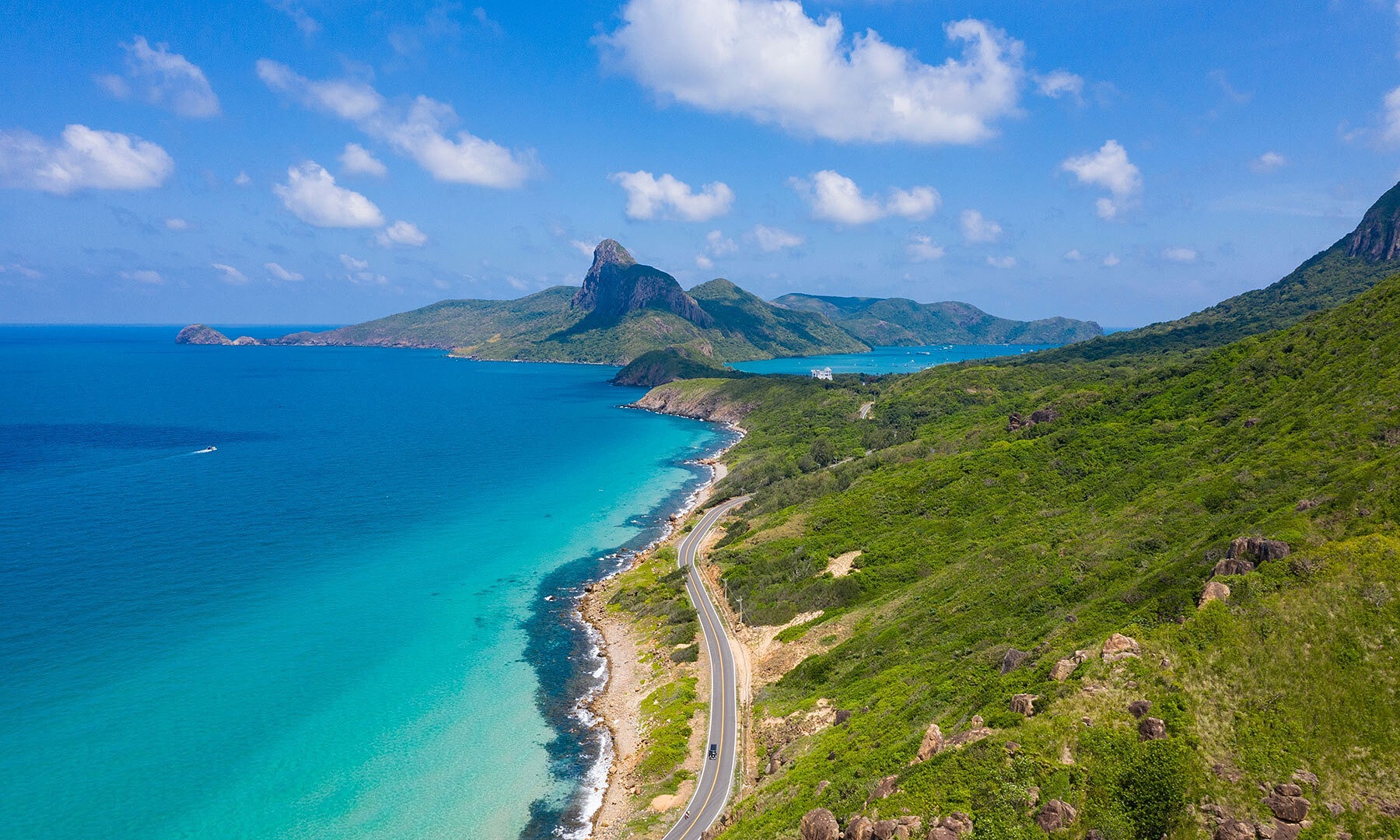
A New Era of Sustainable Travel on Con Dao Island
For the first time in its history, Vietnam’s scenic tourist island of Con Dao is introducing a public bus system, and these buses will be fully electric. This marks a significant shift in the island’s approach to transportation and environmental sustainability. Known for its pristine natural beauty and tranquil atmosphere, Con Dao is now taking steps to modernize its infrastructure while preserving its ecological integrity.
The island has launched six electric bus routes that connect key locations such as the airport, local markets, tourist attractions, and residential areas. These routes are designed to reduce traffic congestion, lower emissions, and support the growing number of visitors flocking to the island. Each route will operate 40-seat electric buses every 15 minutes, covering nearly 72 kilometers across the island. The routes will link the town center with the airport, Ben Dam Port, and the northwest and southeast coasts. One specific route will serve popular tourist destinations, hotels, and accommodations, making it easier for visitors to explore the island.
This initiative represents the first time Con Dao has introduced a public transportation system, marking a major milestone in its development. According to Pham Vuong Bao, deputy head of Ho Chi Minh City’s Public Transport Management Center, the increasing population and rising tourist numbers have put pressure on the island’s infrastructure. With limited public transport options available, the introduction of electric buses aims to ease road congestion while promoting a vision of clean and modern mobility.
A Greener Future for Con Dao
The new bus system is just one component of Con Dao’s broader green transformation plan. Authorities are also encouraging residents to switch from gasoline-powered motorbikes to electric ones. Starting in 2026, individuals who purchase electric bikes will receive discounts on registration and license plate fees. Low-income households will be eligible for substantial financial support, and subsidized loans will be available to help cover vehicle costs.
This initiative is part of a larger program aimed at transforming Con Dao and Can Gio into low-emission zones under Ho Chi Minh City’s long-term environmental strategy. The total budget for this program is estimated at VND2.158 trillion (US$82.3 million), with state funds covering nearly a third of the cost and the remainder coming from private investment. Approximately VND590 billion will be allocated specifically for supporting the transition to electric motorbikes.
In addition to the transportation upgrades, Con Dao is preparing to connect to the national power grid in September. This move will provide more reliable electricity and enable the development of clean energy sources like rooftop solar and offshore wind. These efforts align with the island’s goal of becoming a more sustainable and environmentally friendly destination.
Administrative Changes and Tourism Growth
Until recently, Con Dao was part of Ba Ria–Vung Tau Province. However, as part of a national administrative overhaul starting in July, Ba Ria–Vung Tau and Binh Duong were merged with Ho Chi Minh City, making Con Dao a special administrative unit of the new city.
The archipelago spans nearly 76 square kilometers and includes 16 islands, with Con Son being the largest. As tourism continues to grow, services such as transportation, hospitality, and dining have expanded rapidly, helping Con Dao gain recognition as one of Vietnam’s emerging destinations.
Currently, the island has around 8,500 vehicles, most of which still run on gasoline or diesel. However, officials hope to achieve a complete transition to electric motorbikes by 2030. They also aim for all public and taxi services to use clean energy, with public transport serving the entire population. The long-term goal is to increase public transport usage to 80 percent, making Con Dao not only more accessible but also more sustainable for future generations.