

The Long-awaited Inquiry into the Battle of Orgreave
After 41 years of relentless campaigning, a long-awaited inquiry into the Battle of Orgreave is finally set to be launched. This development has brought a mix of relief and hope to the miners who were involved in one of the most violent clashes in British industrial history. Many of them have spent decades fighting for justice, and now they believe that the truth about what happened during the 1984 miners’ strike may finally come to light.
The Battle of Orgreave was one of the bloodiest confrontations in the history of industrial disputes. Miners faced off against an overwhelming force of police, some of whom were mounted on horseback. The events of June 18, 1984, saw picketers being hit with truncheons and fleeing in terror as the police moved in aggressively. The late Queen Elizabeth II reportedly described footage of the clash as “awful,” but it wasn’t until 2016 that the government rejected calls for an investigation.
Now, the Home Office has announced that the inquiry will begin in the autumn, focusing on the events surrounding the clashes that resulted in 120 injuries. At the time, 95 picketers were arrested and charged with riot and violent disorder, but all charges were later dropped after evidence was discredited. The campaign for an inquiry has been ongoing for years, with many feeling that the truth had been buried for too long.
A Fight for Justice
Campaigners have welcomed the Labour government’s decision to proceed with the inquiry, but they also emphasize the importance of remembering those who died before this historic moment. Kate Flannery, secretary of the Orgreave Truth and Justice Campaign (OTJC), said: “We’ve waited 41 years for this and we now need the truth. We need it exposed and we need the public to be told the truth as well.”
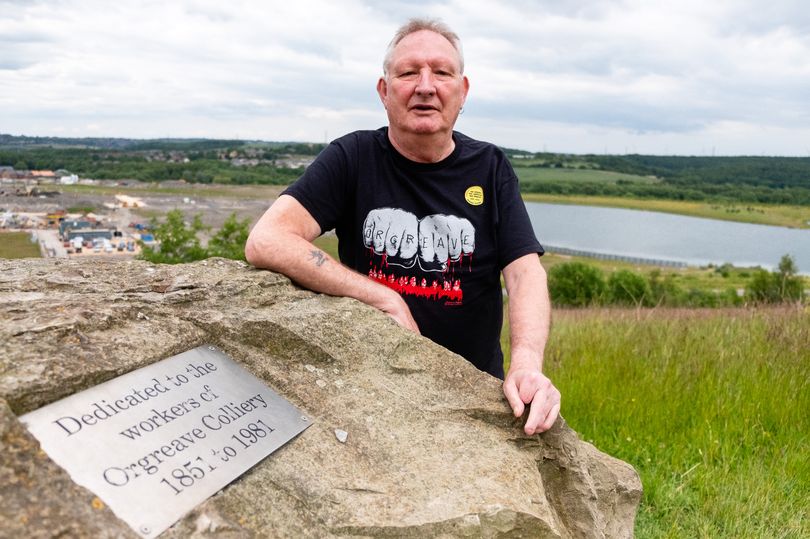
For Carl Parkinson, a former miner from South Yorkshire, the journey has been deeply personal. He was just 20 years old when he was ‘drop kicked’ by a police officer during the clash. He feared that he would not live to see an inquiry and even taught his grandchildren about the strike in case he didn’t make it. “All we want is the truth out there,” he said. “I was educating all the four grandchildren about the strike just in case we didn’t get the inquiry and I died so they could chase it up and carry on.”
Carl described the chaos of the day, including the use of horses and truncheons, and recalled how he and others were forced into the village of Orgreave. “To be a riot and unlawful assembly, it had to be in a public place. The field wasn’t but the village was.” He expressed frustration at the lack of accountability and the pain that has lingered for decades.
Concerns Over Document Destruction
Despite the positive news, campaigners remain cautious. Kate Flannery highlighted concerns over the destruction of documents related to the miners’ strike. Recently, Northumbria Police admitted to destroying records, including footage of a miner being struck with a truncheon. “We feel incredibly anxious about the fact that vital and important information has been destroyed,” she said. “We urge all police forces to keep the information as requested.”
She also emphasized the urgency of the inquiry, noting that many of the miners are elderly and some have already passed away. “This needs to happen in their lifetime,” she said.
A Legacy of Resistance
Kevin Horne, a former miner who was arrested at Orgreave, shared similar sentiments. At 76, he feared he might not live to see the inquiry. “I was getting worried as I get older. I was getting worried I was going to die before I got an inquiry,” he said. He also pointed out that many of the 95 miners arrested that day have since passed away, highlighting the emotional weight of the moment.
The inquiry, led by the Bishop of Sheffield, the Rt Revd Dr Pete Wilcox, will have the power to compel witnesses and release evidence. It is seen as a crucial step toward addressing decades of unresolved questions and ensuring transparency.
Home Secretary Yvette Cooper acknowledged the significance of the inquiry, stating that it is essential to restore confidence in the police and address the lingering concerns raised by the events of 1984. “Every community should have confidence in their police,” she said. “We must now establish what happened.”
The National Union of Mineworkers General Secretary, Chris Kitchen, welcomed the announcement, calling it a welcome fulfillment of the Labour Party’s manifesto pledge to the mining community. “It is hugely welcome to see this government fulfill its pledge made in the Labour Party manifesto to the mining community,” he said.
As the inquiry moves forward, the miners and their families hope that the truth will finally be revealed, bringing closure to a chapter of British history that has left deep scars on communities across the country.


