

Breakthrough in Laser Technology
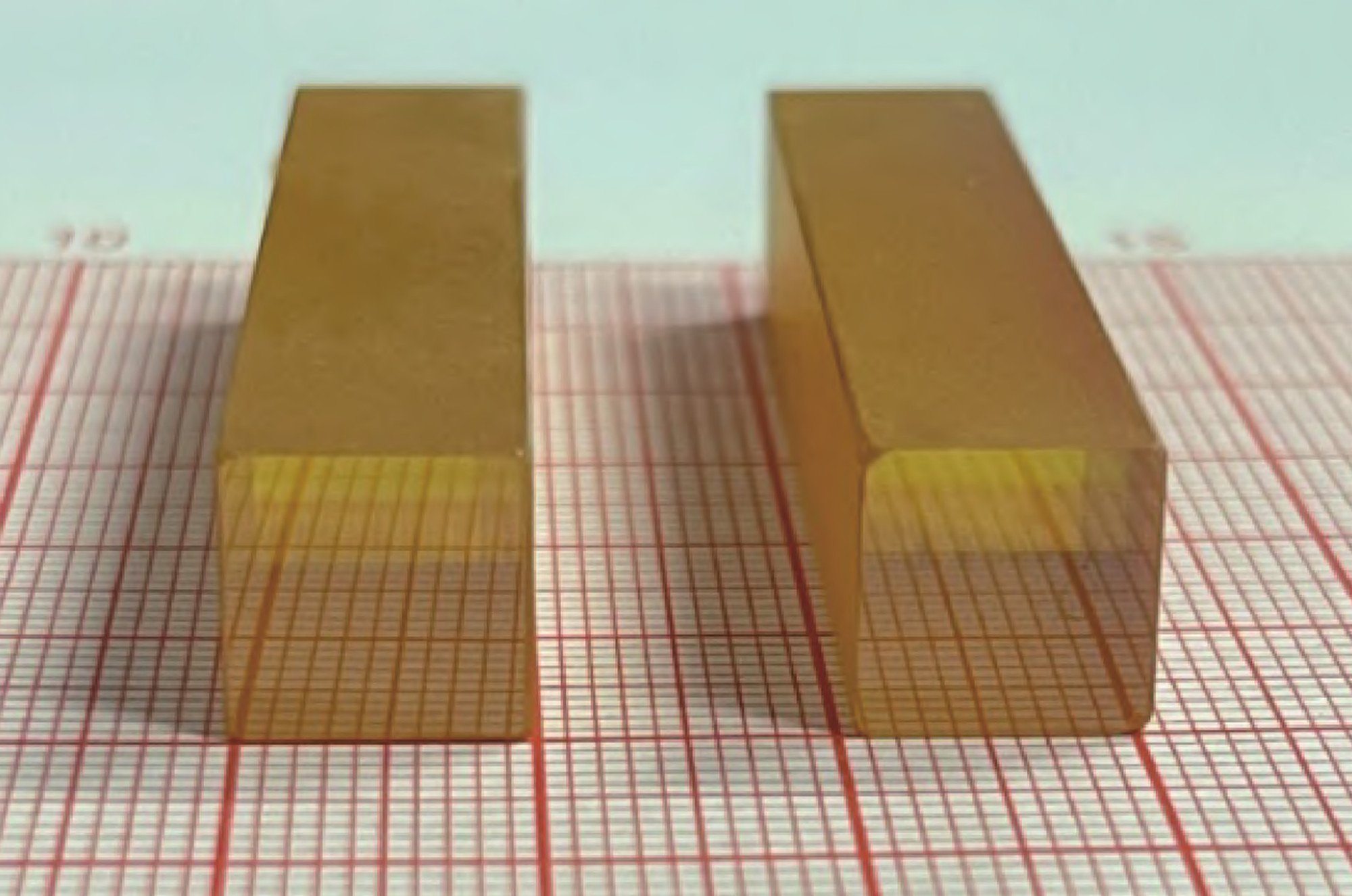
Chinese researchers have made a significant advancement in the field of laser technology by manufacturing the world’s largest barium gallium selenide (BGSe) crystal. This development has the potential to revolutionize the use of ultra-high-power laser weapons capable of targeting satellites from the ground. The synthetic crystal, measuring 60 millimetres in diameter, is designed to efficiently convert short-wave infrared lasers into mid- to far-infrared beams that can travel long distances through atmospheric windows.
The BGSe crystal is notable for its ability to withstand laser power as intense as 550 megawatts per square centimetre, which surpasses the damage threshold of existing military-grade crystals by an order of magnitude. This breakthrough could address longstanding issues with self-damage in laser weapons, a problem that has limited their power and range over the years. For example, the US Navy’s 1997 MIRACL mid-infrared laser test encountered difficulties when it accidentally melted its own components while targeting a satellite.
Development of the Crystal
The BGSe crystal was first discovered by Chinese scientists in 2010 and quickly gained international attention due to its exceptional performance. Western defense contractors attempted to replicate the crystal but faced challenges with scalability. Now, Chinese scientists have detailed how they achieved this advance in materials science, revealing the intricate process involved in creating such a high-quality crystal.
The manufacturing process requires near-flawless execution. Ultra-pure barium, gallium, and selenium are vacuum-sealed in quartz tubes for a process known as zone refining. These tubes are then heated to 1,020 degrees Celsius in a dual-zone furnace, creating a molten region. Over a period of a month, crystals grow as the tubes descend into cooler zones. Newly formed crystals need to be held at 500 degrees for days before being cooled gradually to eliminate defects.
Polishing techniques also play a crucial role. Diamond saws are used to slice crystals along cleavage planes, while cerium oxide slurry helps achieve mirror-smooth surfaces. Key factors in the production include the absolute exclusion of oxygen and humidity, ultra-precise temperature control, and defect-erasing annealing—a heat treatment process that ensures crystal integrity at an unprecedented scale.
Implications and Applications
This technological leap aligns with China’s accelerated directed-energy weapons program, driven by concerns over Starlink’s military role in Ukraine and space dominance. Recent breakthroughs in other areas, such as energy sources and heat control, have also been reported. Beyond warfare, the crystals have potential applications in boosting medical diagnostics and hypersensitive infrared systems for missile tracking and aircraft identification.
According to the research paper, the ultra-large crystals were “structurally intact, free of cracks and optically transparent,” with test results indicating superior performance. These crystals have already been applied in a wide range of cutting-edge research and development programs since 2020.
In non-weapon laser systems, crystals can be much larger. For instance, the ZEUS (Zettawatt-Equivalent Ultrashort pulse laser system) at the University of Michigan uses a large titanium-doped sapphire crystal to amplify its laser pulse to full power. This crystal, nearly 18cm in diameter, took 4 1/2 years to manufacture.
Future Prospects
The implications of this breakthrough extend beyond military applications. The advancements in crystal manufacturing could lead to new developments in various scientific and industrial fields. As research continues, the potential uses of these high-performance crystals will likely expand, contributing to innovations in technology and science.


