

Criticism of Election Commission and Political Protests in Parliament
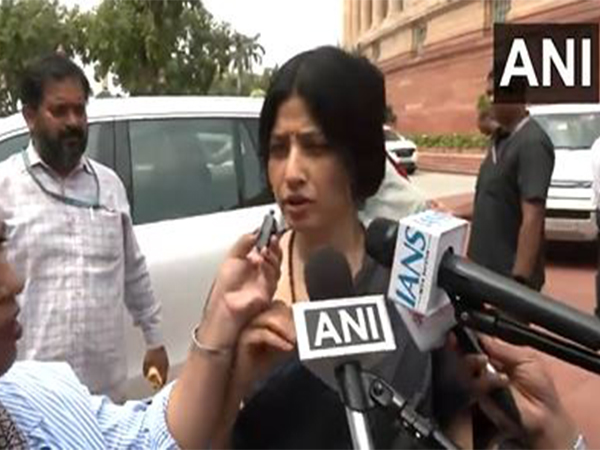
The Election Commission of India (EC) has come under sharp criticism from various political figures, particularly members of the Samajwadi Party (SP). Dimple Yadav, a prominent MP from the SP, accused the EC of exerting a “monopoly” and acting on instructions from the Central government during the Special Intensive Revision (SIR) of voter rolls in Bihar. This move has raised concerns among opposition parties about the transparency and fairness of the electoral process.
Dimple Yadav highlighted that nearly 50 lakh voters could be affected by the SIR exercise, which she described as lacking transparency. She argued that the timing of this revision, just before the elections, is suspicious and could undermine the democratic framework of the country. Her comments reflect growing discontent among opposition leaders who believe that the EC is not independent and is being influenced by the ruling party.
Opposition Unites Against SIR Process
The opposition has shown a united front against the SIR process, with several MPs from different parties raising concerns about the voter list revision. The Congress party, in particular, has been vocal in its criticism, with multiple MPs submitting notices under Rule 267 to demand discussions on the SIR in Bihar. These notices aim to bring attention to the potential impact of the voter list revision on the upcoming assembly elections.
Congress MP Renuka Chowdhury was one of the first to raise the issue, calling for the suspension of business in the Rajya Sabha to discuss the SIR. Similarly, other Congress MPs such as Akhilesh Prasad Singh, Ranjeet Ranjan, Ashok Singh, Neeraj Dangi, and Rajani Patil also submitted notices, urging for a detailed discussion on the matter. Their collective efforts indicate a broader concern about the integrity of the electoral process.
Parliamentary Protests and Disruptions
The protests have spilled over into the parliamentary sessions, leading to frequent adjournments. On Friday, the proceedings of the Rajya Sabha were adjourned until July 28 due to continuous sloganeering by opposition members. The unrest began when Union Agriculture Minister Shivraj Singh Chouhan was responding to a question, prompting BJP MP Ghanshyam Tiwari to announce the adjournment as protests intensified.
The Deputy Chairman of the Rajya Sabha, Harivansh Narayan Singh, addressed the disruptions, stating that there had been a breach of decorum. He emphasized that interruptions during speeches are not allowed and constitute a violation of the house’s privileges. This statement underscores the tension between the ruling party and the opposition, as both sides continue to clash over the SIR process.
Continued Protests at Parliament
The protests have continued for several days, with opposition MPs staging demonstrations at Parliament’s Makar Dwar. Congress president Mallikarjun Kharge joined the protest, aligning with the Indian National Developmental Inclusive Alliance (INDIA) MPs. The protest, now in its fifth consecutive day, has seen participants carrying posters and banners that highlight their concerns about the SIR.
MPs marched from the Gandhi statue on the Parliament premises, chanting slogans against the Centre and demanding an end to what they describe as an “attack on democracy.” The symbolic act of tearing down posters further emphasizes their rejection of the SIR process. This demonstration reflects the deepening divide between the opposition and the ruling party, with the latter facing increasing scrutiny over its handling of the electoral process.
Impact on Democratic Processes
The ongoing debates and protests highlight the significance of the SIR process in shaping the democratic landscape of Bihar. As the state prepares for its assembly elections, the opposition’s concerns about transparency and fairness remain central to the political discourse. The involvement of high-profile leaders and the widespread participation of MPs underscore the gravity of the situation.
With the Parliament witnessing frequent disruptions and the opposition continuing to voice its concerns, the future of the SIR process remains uncertain. The calls for transparency and accountability will likely shape the political narrative in the coming weeks, as stakeholders await further developments.


