


Donald Trumphas been using his brass knuckle methods by publishing tariff increases for each country online to pressure other nations into compliance – but in the case of the UK, his obsession with theroyal familyis benefiting his host country.
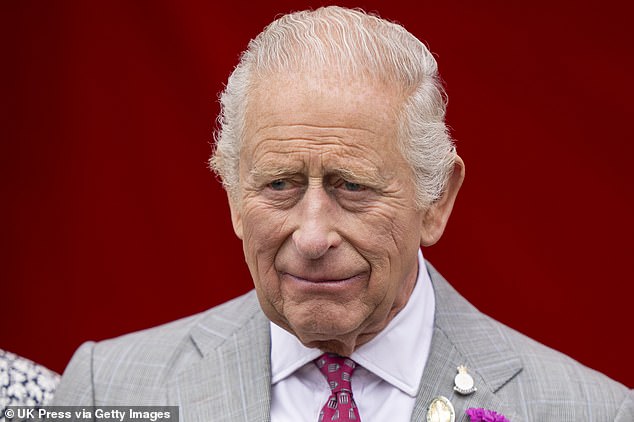
This week’s journey to Scotland is merely the beginning of Trump’s official state visit in September, during which he will meetKing Charles.
The president is scheduled to finalize the specifics of a major trade agreement with the UK during discussions held between rounds of golf at his Scottish estate on Monday – with costs for vehicles, online transactions, and U.S.-raised chicken and beef all up for negotiation.
“Trump aims for a successful state visit in September without any issues, and therefore he won’t target the UK severely on any matters until after that,” said an informed source who works with theWhite House told the Daily Mail.
This autumn, Trump is aiming for an extravagant reception filled with ceremony and grandeur that will surpass his first term visit with Queen Elizabeth.
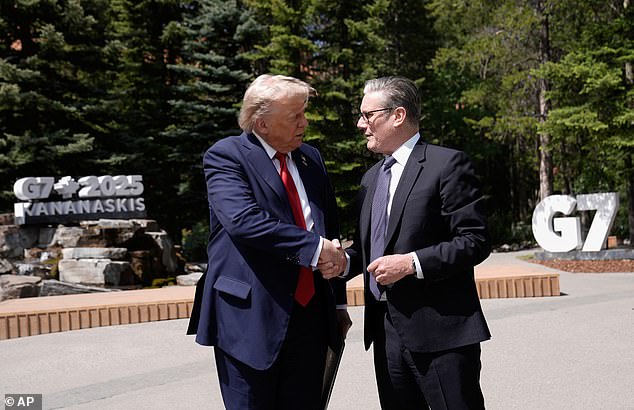
British Prime Minister Keir Starmerwas one of the earliest global leaders to effectively gain Trump’s favor by delivering a letter from the King at the White House. Recently, the two are scheduled to meet at Trump’s Turnberry golf course, with officials stating that high-level trade discussions will be essential.
“This is still a very general framework, so it would involve discussing the finer details at the ‘leader-to-leader’ level,” a White House official said to the Daily Mail.
The items in question span the industrial and agricultural sectors of both countries.
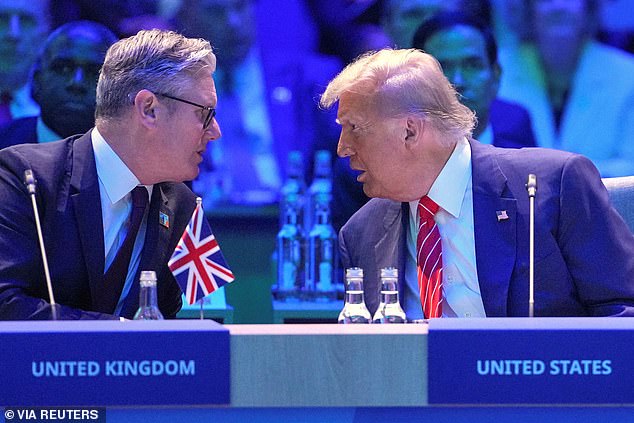
Trump made a point of praising Starmer as he started his journey to Scotland – indicating he is pursuing a gentle approach, at least in public.
“He’s a decent individual. He managed to secure a trade deal,” Trump stated. Rather than delving into the specifics, he mentioned that both parties would be commemorating the agreement, which establishes a 10 percent minimum tariff on imports of UK goods. “It’s a favorable arrangement for both sides,” he concluded.
This occurred as he stated the likelihood of achieving a trade agreement with the European Union was “fifty-fifty,” ahead of a scheduled meeting with EU Commission President Ursula von der Leyen, following reports that the EU might agree to a 15 percent U.S. “baseline” tariff.
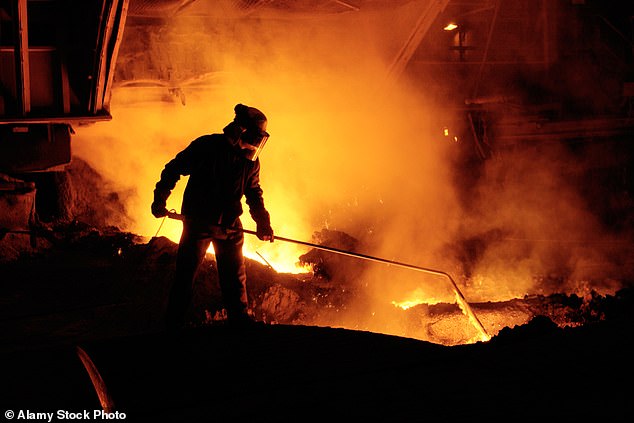
A key issue for the US is determining the extent of relief to provide to Britain regarding steel and aluminum tariffs, according to a White House official who spoke to the Daily Mail. Trump implemented a 50% Section 232 tariff on steel and aluminum globally last month, with a 25% tax applied to the UK during trade negotiations.
The U.S. removed British jet engines from the special Section 232 tariffs. However, there is ongoing conversation regarding British pharmaceutical imports, with the official stating, “we might be open to providing them with some special consideration.”
That power enables Trump to levy duties based on national security reasons.
A significant conflict is the UK’s Digital Services Tax, which generated over $1 billion last year and continues to increase. American negotiators have historically viewed the tax as a tariff targeting US technology companies.
The so-called ‘Google tax’ affects leading U.S. technology firms that offer a marketplace for online shopping.
Trump succeeded in persuading Canada to abandon its Digital Services tax at the end of last month following a warning to end ‘all talks on trade with Canada.’
“Trump compelled Canada to abandon their digital services tax, and the UK and the EU are next,” said the insider.
It is the specifics that are crucial in any trade discussion, and the agreement between the U.S. and Britain is no exception, even with their long-standing ‘special relationship.’
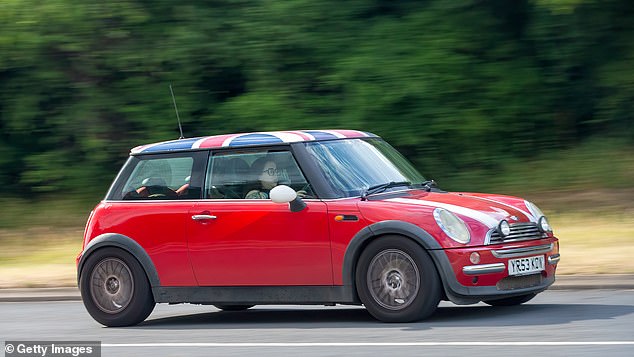
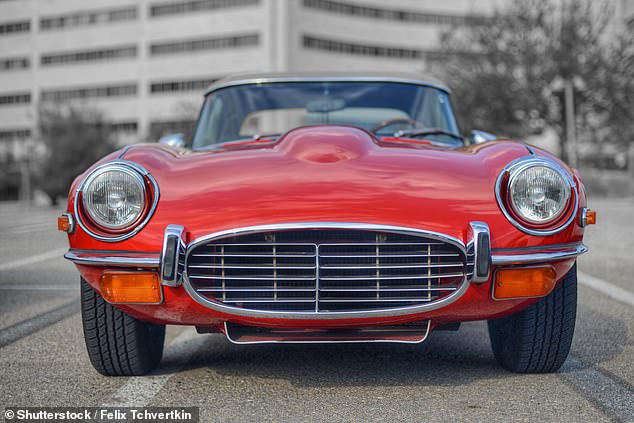
For instance, the May 8 agreement established a 100,000 limit for UK vehicle imports such as Jaguars, Land Rovers, and Mini Coopers, which are subject to a 10 percent duty instead of the higher 25 percent rate. A 10 percent tariff on American cars imported into the UK is still in place.
But the agreement revealed an unspecified “accompanying arrangement for related automotive components” for these vehicles.
“That’s an issue that might require further discussion,” said the White House official.
The two nations committed to collaborate ‘constructively’ in improving access to markets for farm goods.
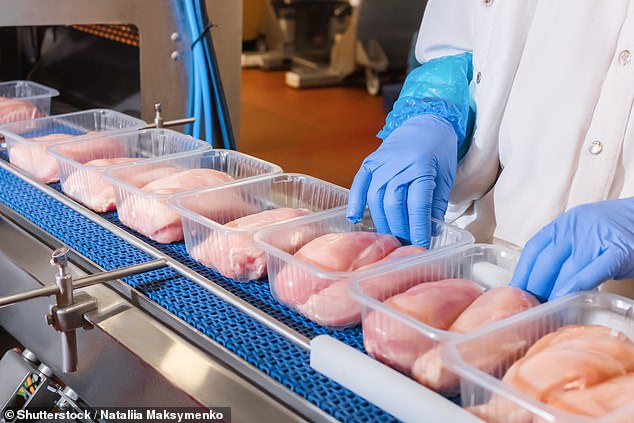
This implies that U.S. poultry, which European and British trading partners occasionally mockingly call ‘chlorinated chicken,’ will gain access to a new market.
However, the text released by Trump only mentions that products “must adhere to the sanitary and phytosanitary (SPS) standards of the importing country and other agreed-upon standards.”
Different classifications are outlined in the Harmonized Tariff Schedule issued by the office of the U.S. Trade Representative. Specific categories of chicken include chicken thighs, frozen chicken, ground chicken, chicken breast, chicken meal, and even chicken paste.
“They agreed to take their chicken, but what exactly does that mean? Are they taking whole chickens, or live ones?” asked the official. “Are they taking frozen chicken meat? Are they taking prepared chicken dishes in airtight containers?” asked the official.
Amid the complex and multifaceted discussions, there is another matter that Trump is focused on. The meeting with Starmer occurs at Turnberry, a renowned golf course that has not hosted the British Open since Trump acquired it. Trump and the Trump Organization – which he has continued to manage while in office – have long aimed to secure the event.
White House Press Secretary Karoline Leavitt,Who joined Trump for his initial golfing session in Scotland?On Saturday, he stated from Washington that Trump and Starmer are set to meet “to further develop the historic U.S.-U.K. trade agreement” announced in May.
She highlighted new trade agreements with Japan, Indonesia, and the Philippines, and remarked about Trump: “He arrived as the closer in all three of those.”
By midweek, Trump had sent out 25 trade letters, establishing a new standard of a 15 percent tariff on goods entering the United States.
The dangers facing various industries are genuine – as UK tariffs on American spirits in the homeland of premium Scotch have shown.
From 1997 to 2018, during the period when there were no tariffs on distilled spirits between the two nations, trade between them increased by 212 percent – reaching $1.4 billion, as reported by the Distilled Spirits Council to the Daily Mail.
However, “devastating” tariffs on Single Malt Scotch and American Whiskey resulted in a 35 percent drop in trade.
A 25 percent retaliatory tax imposed by the UK on U.S. Whiskeys in 2018 and 2021 led to a 41 percent decline in exports. Once the tax was removed, exports rebounded to $137 million in 2024. Chris Swonger, CEO of the Council, is meeting with his counterpart from the Scotch Whisky Association this weekend to push for eliminating the tariffs completely.
Read more


