

The Growing Challenge of Accessing Major Events
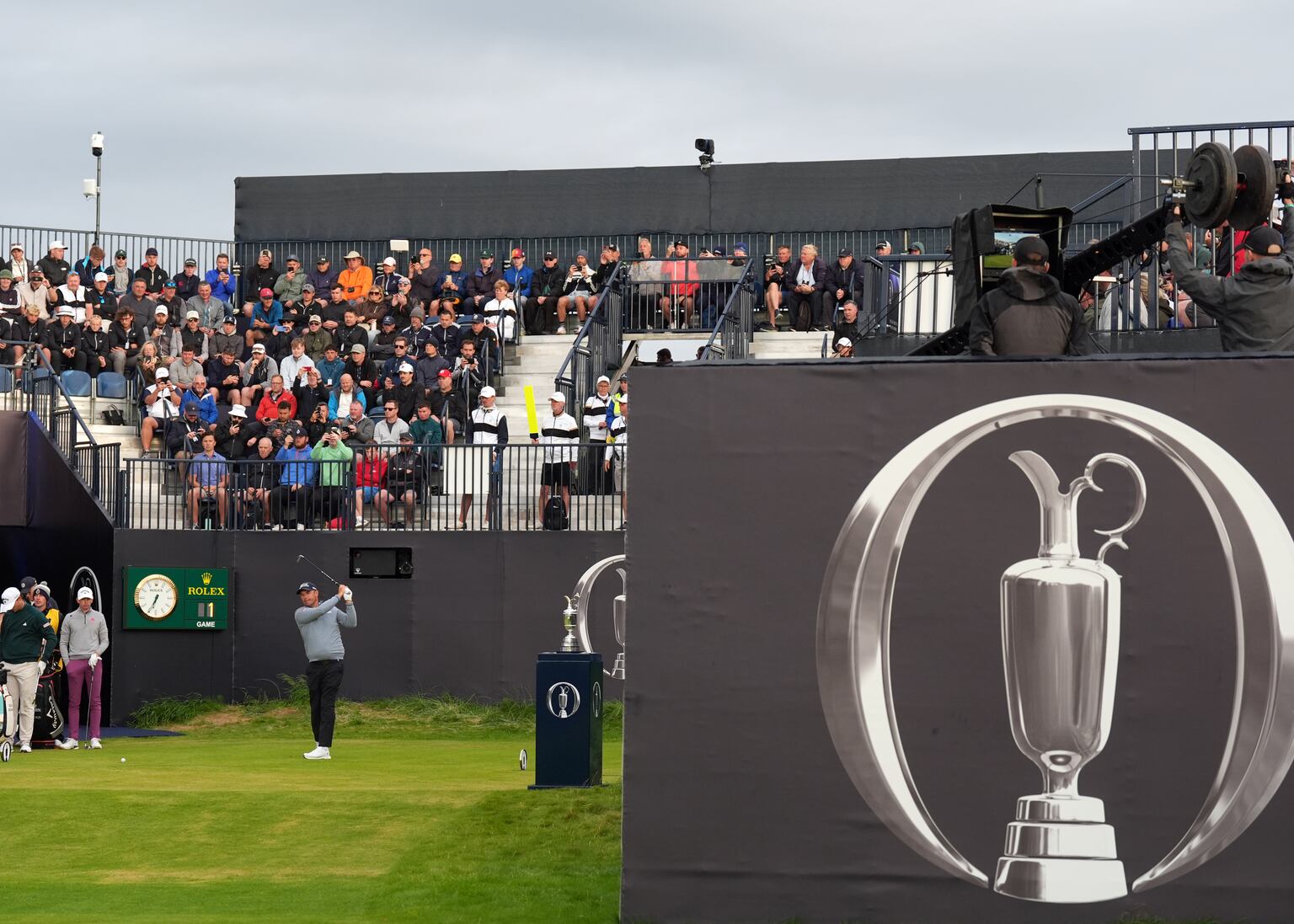
The 153rd Open Championship in Portrush has been a major talking point, drawing thousands of visitors to the coastal town. With an estimated 278,000 spectators expected, there have been reports of local holiday homes and caravans being rented out at premium prices to eager golf fans. This surge in demand has also led to controversy, particularly around a well-known local restaurant that faced backlash for allegedly inflating prices during the event. After public criticism, the establishment was forced to adjust its pricing strategy, though the reputational damage had already been done.
While I may not be a golf enthusiast, I understand the significance of hosting such a high-profile international event. It brings substantial economic benefits to the local area and can boost tourism for years to come. However, it’s hard not to question how many of those attending are genuine fans versus individuals who simply had the means or connections to secure entry.
The Open Championship is just one example of how accessing tickets to major events has become increasingly complex, time-consuming, and often unfair. For the 2026 Open at Birkdale, ticket prices range from £30 to £140 depending on the day. These prices seem reasonable, especially with free entry for under-16s and discounts for young adults. However, the process of obtaining these tickets is far from straightforward.
Tickets are sold through an online lottery system, meaning even dedicated fans are just another name in a digital queue. There is no guarantee of success, and the limited availability makes the experience feel exclusive rather than accessible. And even if you manage to get a ticket, the real costs begin – travel, accommodation, and food can quickly add up. In Portrush, this has been evident, with many fans struggling to afford the additional expenses.
For some, the only option is to sell their tickets to those who can afford the extra costs, which reinforces a cycle of exclusivity. This issue isn’t confined to sports events. Last weekend, the highly anticipated Oasis reunion in Cardiff saw similar challenges. Tickets were sold via pre-sale ballots and general sales, but once they were gone, they quickly appeared on resale sites like Viagogo at prices exceeding £500 each.
It’s ironic for a band rooted in working-class Manchester that many lifelong fans can no longer afford to attend. The same problem affects smaller, less historic gigs as well. Recently, I tried to buy tickets for Lewis Capaldi. Like thousands of others, I queued online, navigating tests to prove I wasn’t a bot. After waiting for over an hour, I finally reached the front of the queue, only to find that tickets were already sold out. Later, I discovered standing tickets for Cardiff were available at £299 each. Unfortunately, that was still too expensive for me.
The Changing Landscape of Event Attendance
We now live in a world where attending live events feels more like enduring a digital race than experiencing a joyful occasion. The system seems to benefit bots, scalpers, and those with the most financial resources. Genuine fans are often priced out, pushed aside, or forced to pay exorbitant amounts.
This raises an important question: How long are we willing to accept this situation? As events become more exclusive and the process of securing tickets more complicated, it’s clear that the balance between accessibility and profitability is shifting. While the economic benefits of hosting large events are undeniable, the growing disparity in access is a concern that needs to be addressed. The challenge lies in finding a way to make these experiences more inclusive while still maintaining the excitement and prestige that come with them.


