

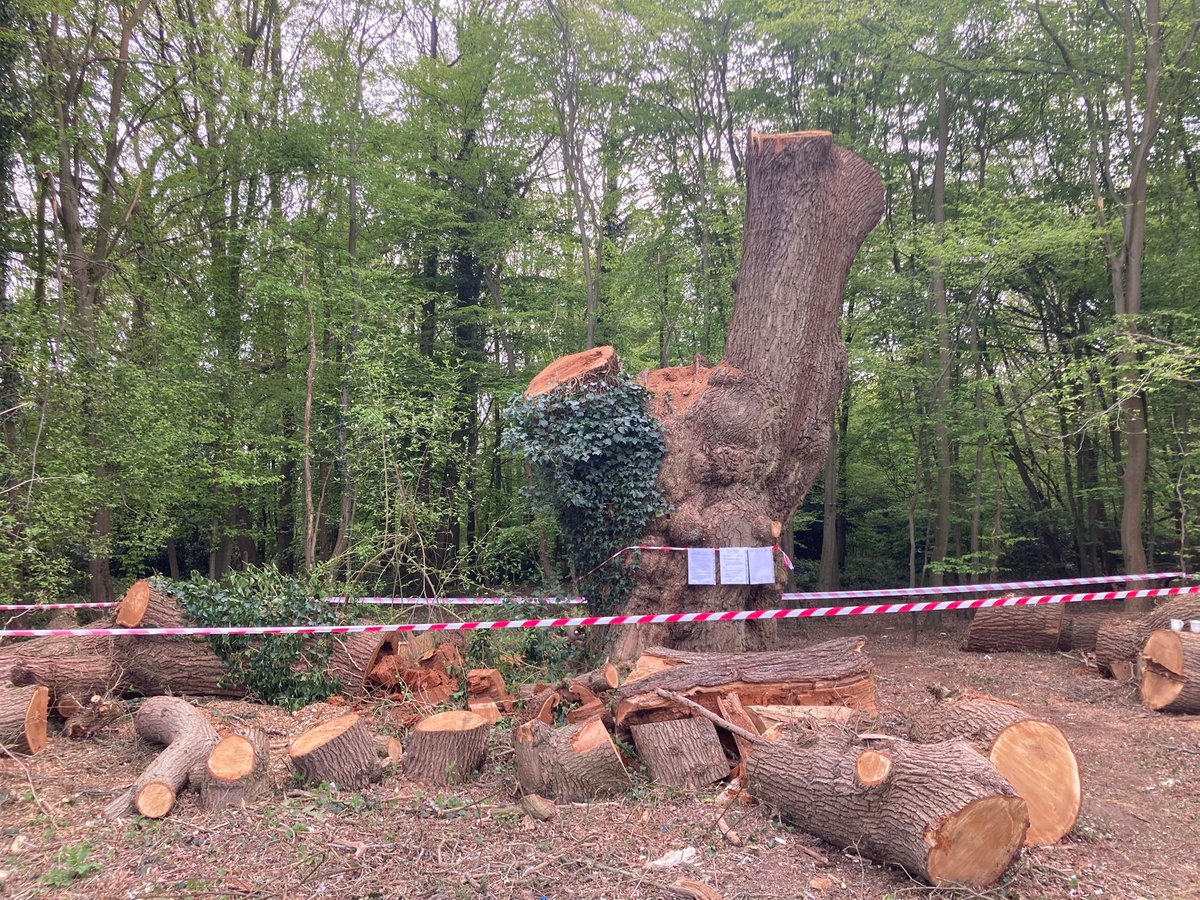
Urgent Calls for Protection of London’s Ancient Trees
London is facing a growing crisis as thousands of its ancient trees are at risk due to recent acts of destruction. In response, City Hall has launched an appeal for stronger measures to protect these natural landmarks. The push comes after the felling of a 500-year-old oak tree in Enfield and the shocking destruction of the iconic Sycamore Gap tree in Northumberland, which was cut down in what was described as a “mindless act of drunken stupidity.”
The London Assembly has written to the government, urging it to implement more robust protections for trees that are over 100 years old. They are calling for a review of existing legislation and exploring new ways to safeguard these trees from harm. This initiative follows growing concerns from environmental campaigners, who have long advocated for better conservation efforts.
London is home to nearly as many trees as people, with a total of 8.4 million trees across the city. Among them are thousands of ancient trees, found along streets, in woodlands, and within the capital’s numerous parks. These trees play a vital role in supporting biodiversity, offering habitats for wildlife, and contributing to the overall health of local ecosystems.
One of the most tragic incidents involved a centuries-old oak tree in Whitewebbs Wood, Enfield, which was hacked down by a Toby Carvery. This tree, known as the “Guy Fawkes Oak,” was believed to have been alive during the time of the Gunpowder Plot in 1605. It was considered one of the top 100 oaks in London in terms of size and was ecologically invaluable, providing a habitat for up to 2,300 species of local wildlife.
The destruction of this tree has sparked outrage among environmentalists and residents alike. Legal experts have indicated that the owners of the Toby Carvery may face significant financial consequences, potentially paying over a million pounds in damages for the damage caused.
This incident is part of a broader pattern of destruction, including the high-profile case of the Sycamore Gap tree in Northumberland. In September 2023, two men were jailed for cutting down the tree, which had stood for over 100 years. Their actions were described as “mindless destruction” driven by “sheer bravado.” Both received sentences of four years and three months for criminal damage.
Leonie Cooper, chair of City Hall’s Environment Committee, has emphasized the need for stronger legal protections for mature and ancient trees. She highlighted that while the Mayor of London, Sadiq Khan, has set a target to increase canopy cover by 10% by 2050, achieving this goal requires not only planting new trees but also ensuring that existing ones are adequately protected.
The London Assembly has proposed several measures to enhance tree protection. One key suggestion is to broaden the criteria for a Tree Preservation Order (TPO), which provides legal protection to trees. They have also called for all trees over 100 years old in London to be automatically designated with TPOs.
These calls for action reflect a growing awareness of the importance of preserving London’s natural heritage. As the city continues to expand and develop, it is essential to balance progress with the protection of its historic and ecological treasures. The recent incidents serve as a stark reminder of the vulnerability of these ancient trees and the urgent need for comprehensive conservation strategies.


