

The Evolution of Gambling in the United States
The depiction of casinos in movies and television has long been influenced by the historical traditions of gambling in the United States. Over the years, the popularity of gaming has fluctuated, with some periods seeing a decline and others experiencing a surge. One of the most significant turning points in the history of American gambling occurred during the Great Depression.
During this challenging time, Nevada’s governor, Fred Balzar, recognized the need to rejuvenate the state’s economy. His innovative strategy involved leveraging the construction of the Hoover Dam, which was underway nearby. He believed that the workers on the dam would seek entertainment and ways to spend their earnings. This led to the decision to allow casinos to operate in Las Vegas, which proved to be a wise move. The success of this initiative demonstrated the potential benefits of state-level control over gambling, a model that continues to shape the industry today.
State-by-State Approach to Gambling Laws
Over time, most U.S. states have legalized various forms of gambling, though there are notable exceptions. Hawaii, for example, had already banned all types of gambling before it became a state, while Utah has a large population of Latter-Day Saints who consider gambling incompatible with their religious beliefs.
Today, many states permit a wide range of gambling activities, including lotteries, casinos, sports betting, and online betting. However, some states still impose restrictions:
-
Alabama maintains some of the strictest laws, allowing only specific lottery games and no other gambling activities. It is one of only five states without a lottery. A recent legislative proposal aims to introduce a state lottery and permit certain electronic games of chance, but sports betting and casinos would remain illegal.
-
Washington allows limited forms of gambling, primarily through non-profit organizations or licensed food and drink establishments. Casinos are restricted to tribal operators, and sports betting is also confined to these venues.
-
Texas enforces strong regulations against most forms of gambling, with exceptions for bingo games run by non-profits that offer cash prizes. The state has a lottery, and betting is legal at horse and dog tracks, but other forms of gambling are prohibited, with severe penalties for violations.
The Popularity of Gambling in the United States
Gambling remains one of the most popular pastimes among U.S. citizens. In 2024, more than half of the adult population engaged in gambling at least once. This activity contributes significantly to government revenue, generating over £65 billion in 2023.
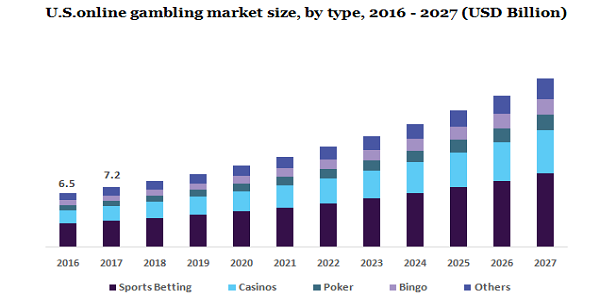
In addition to traditional forms of gambling, the rise of online gaming has gained a substantial following. The convenience and accessibility of online platforms have made it easier for people to participate in games such as online roulette, which are particularly popular due to their fast-paced nature.
The gaming industry has had a major impact on the U.S. economy, providing employment opportunities for millions of people. Beyond those directly working in casinos or handling lottery tickets, numerous other industries, including hospitality and food service, benefit from the economic activity generated by gambling.
States with more lenient gambling laws, like Nevada and New Jersey, have seen the advantages of their relaxed policies. These regions have become popular tourist destinations, offering a wide range of gaming options without the risk of breaking the law. This not only boosts tourism but also serves as a promotional tool for visitors interested in casinos or sporting events.
The Future of Gambling in the U.S.
The growing popularity of online gambling has prompted several states to reevaluate their laws. While some have adapted existing legislation to regulate online gambling, others with stricter rules are considering whether a complete overhaul is necessary.
In 2024, many states attempted to legalize sports betting, but the process has proven complex due to existing laws. Georgia explored various bills to allow sports betting, but legal experts could not agree on whether a constitutional amendment would be required. A similar effort in Hawaii faced challenges, although the legislature showed support for the concept, indicating potential progress in 2025.
South Carolina introduced a bill to legalize sports betting, but it did not pass in 2024 and will need to be revisited in the next legislative session. As more states consider changes to their gambling laws, the future of the industry in the U.S. looks increasingly dynamic and evolving.


