

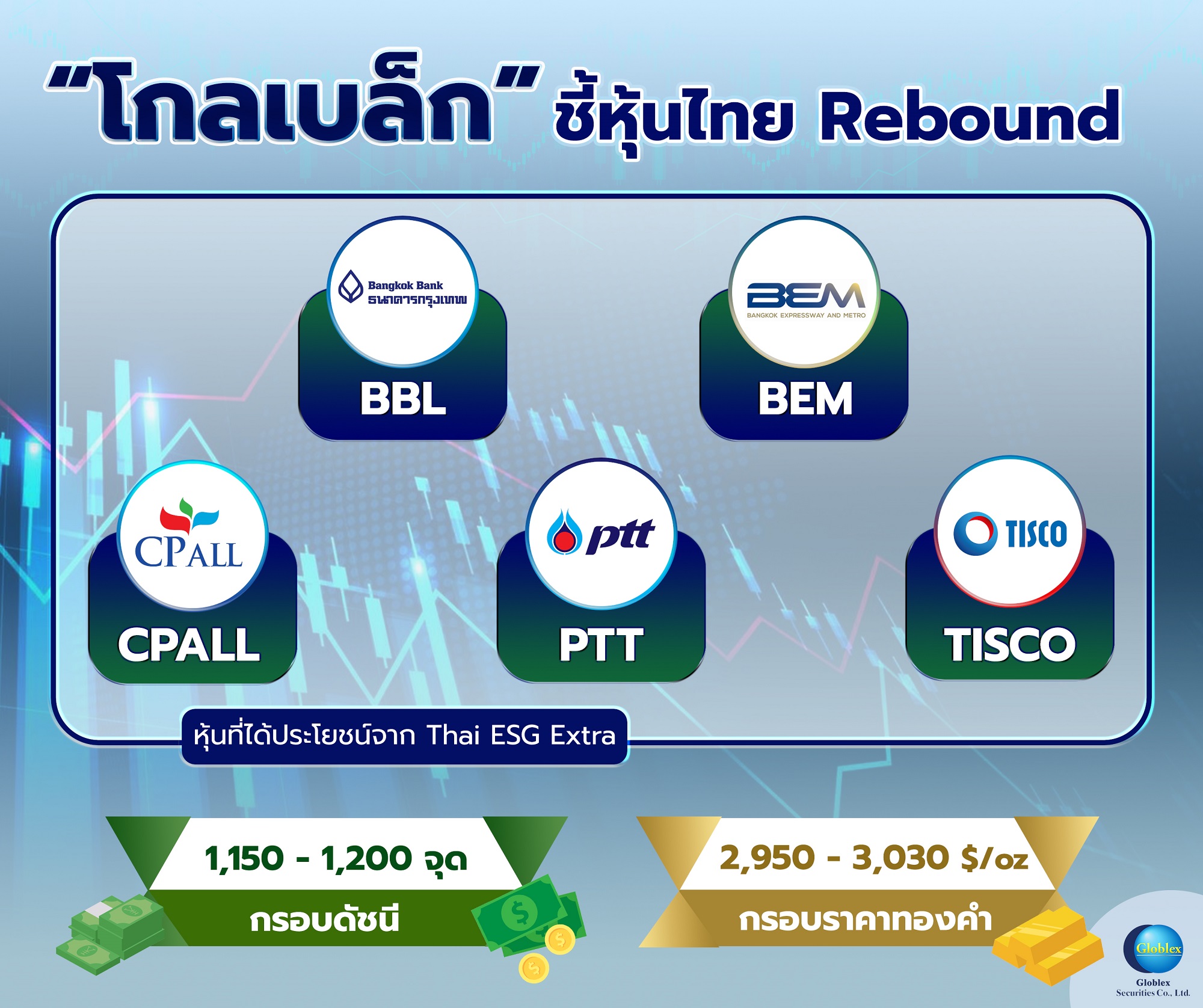
Thai Equities Expected to Recover in 2025
Thai equities are anticipated to experience a recovery in the second half of 2025, driven by expansionary fiscal policies, a more flexible monetary approach, and key earnings factors. Analysts from Asia Plus Securities (ASPS) have highlighted several factors that could positively influence market performance.
Therdsak Thaveeteeratham, executive vice-president at ASPS, emphasized that the government’s upcoming fiscal stimulus is expected to follow the approval of the 2026 annual budget. This, combined with anticipated reductions in policy rates, may enhance market sentiment. According to ASPS, each 25-basis-point rate cut could potentially increase the SET Index by approximately 70 points.
The current economic climate suggests that the timing is suitable for a rate cut. ASPS predicts that there could be 1-2 policy rate reductions this year, each serving as a catalyst for the equity market. These actions are seen as critical in supporting investor confidence and market stability.
In addition to macroeconomic factors, specific corporate developments are also expected to contribute to the recovery. The anticipated relisting of Thai Airways International Plc (THAI) in mid-August and a significant strategic transaction by Siam Cement Group (SCC) are expected to boost the SET Index’s earnings per share (EPS) above 90 baht in 2025.
The broader economic environment supports the possibility of policy easing. Bond yields have declined, the baht has strengthened, and traditional growth drivers such as exports have weakened. However, potential risks remain, including the risk of higher US import tariffs on Thai goods, which could further dampen export momentum in the latter half of 2025.
External risks to monitor include ongoing geopolitical tensions in the Middle East and the Thai-Cambodian border dispute, which has shifted into a “social media war.” Domestically, political uncertainty is unlikely to hinder the passage of the 2026 budget, and markets appear to have already factored in concerns about potential US trade retaliation.
Final clarity on US tariff rates remains crucial. If Thailand ends up with a higher tariff burden than its regional peers, it could face a technical recession, leading to more aggressive fiscal and monetary responses. Despite these concerns, ASPS believes that export-related earnings risks are manageable. In the worst-case scenario, US tariffs would reduce total revenue for four key export sectors—agriculture, food, petrochemicals, and electronics—by 3.1% and profits by only 1.1%.
Fears that the SET Index could drop to a new low near 1,056 points have likely passed. However, elevated tariffs could deter foreign direct investment. If Thailand maintains a 36% tariff rate while Vietnam and Indonesia are at 20% and 19%, respectively, it could lose competitiveness in attracting new investment. Nevertheless, there are still numerous Board of Investment-approved projects in the pipeline that should sustain investment activity for some time.
ASPS expects listed companies to post flat earnings on a quarterly basis in the second quarter of 2025, with total profits around 262 billion baht. For the full year, earnings are projected at 1.06 trillion baht, or 86 baht per share, representing a 17% year-on-year growth. Sectors expected to show sustained third-quarter momentum include electronics, healthcare, property, and transportation.
Investor sentiment is improving, with Thai listed companies repurchasing shares worth 24 billion baht year-to-date, matching the total recorded for the entire year of 2024. This signals renewed corporate confidence. Additionally, margin call pressures have eased, with margin loan balances declining to pre-Covid levels, indicating reduced risk of forced selling.
Thailand’s stock market has shown a strong rebound, delivering the best global returns over the past month. This momentum increases the likelihood that MSCI and FTSE will raise Thailand’s weighting in their August reviews, potentially attracting further foreign inflows.
ASPS maintains a conservative year-end SET Index target of 1,376 points, based on an EPS estimate of 86 baht and a policy rate of 1.75%. With the index currently trading in the 1,140-1,170 range, there is significant upside potential. The firm recommends a diversified investment strategy, focusing on high-dividend-yield stocks across multiple sectors.


