

Leadership Transition at Red Bull Racing
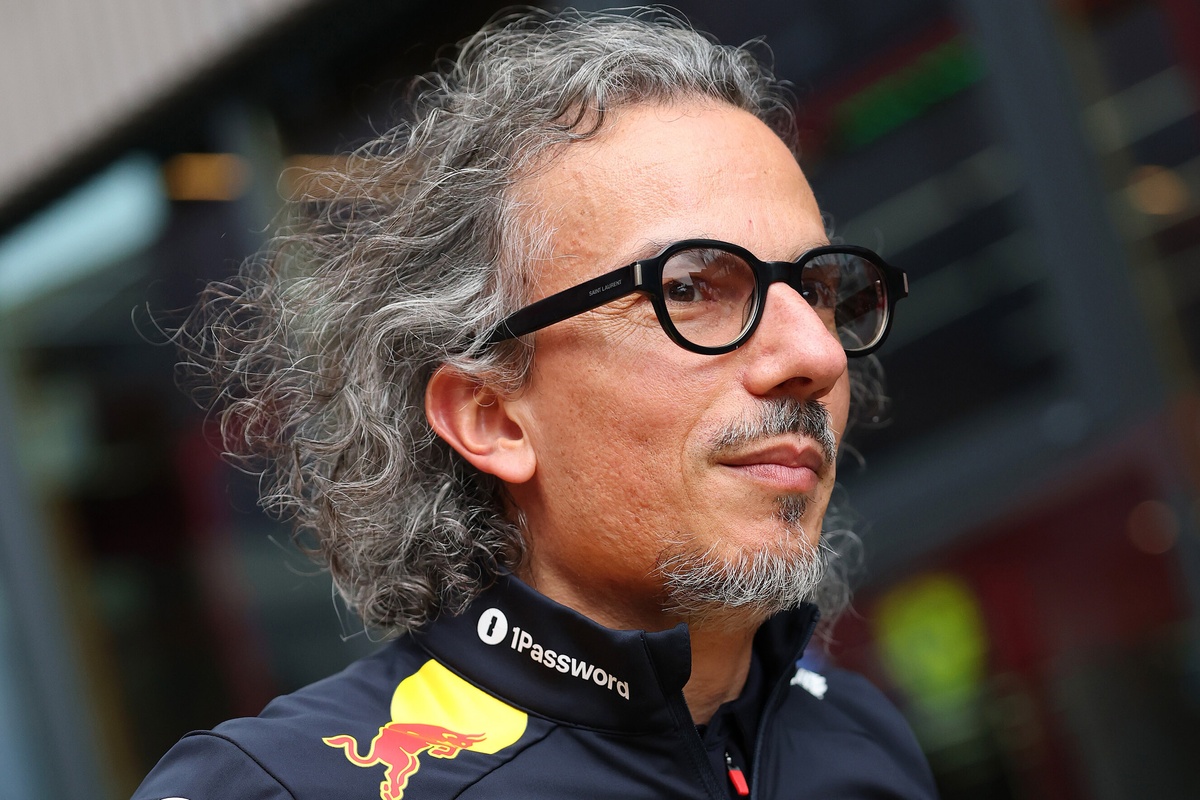
Following the departure of Christian Horner, Laurent Mekies has taken on the critical role of leading Red Bull Racing. While the circumstances surrounding his appointment differ from those of his predecessor, this move aligns with a broader trend in Formula 1 where engineers are increasingly assuming team principal positions. Mekies, coming from an engineering background, brings a different perspective compared to Horner, who led the team for two decades. This shift reflects a growing emphasis on technical expertise within the leadership structure of top teams.
A New Era for Red Bull
Mekies’ promotion is part of a wider movement in Formula 1, with other teams also appointing engineers to key roles. For example, Andrea Stella leads McLaren, James Vowles heads Williams, and Ayao Komatsu oversees Haas. These appointments have generally been successful, but the situation at Red Bull presents unique challenges. The team faces deep-rooted issues that go beyond the leadership role, with the car itself being the primary concern for Max Verstappen. Despite updates in Spa and Budapest, the car will remain largely unchanged for the rest of the season. The focus for 2026 will be on the in-house engine project, which is crucial for Red Bull’s long-term success.
Engineering Expertise and Driver Communication
One of Mekies’ strengths is his ability to communicate effectively with drivers. He has earned respect from several drivers, including Carlos Sainz, who praised his professionalism and understanding of driver needs. Sainz noted that Mekies had a special connection with drivers, making them feel comfortable and open. Yuki Tsunoda also highlighted Mekies’ ability to translate driver feedback into actionable insights, which is essential in modern Formula 1.
Tsunoda shared his experience working with Mekies at Racing Bulls, emphasizing his proactive approach in understanding limitations after each session. This level of responsiveness and technical insight is expected to continue under Mekies’ leadership at Red Bull.
Verstappen’s Perspective
Max Verstappen was directly informed of the change by Red Bull’s shareholders, and he has been actively engaging with Mekies in recent weeks. Verstappen described their meetings as intense, noting Mekies’ motivation and enthusiasm. While he remains cautious about the immediate impact, Verstappen expressed a positive first impression, highlighting Mekies’ intelligence and diverse experience across different areas of F1.
Verstappen pointed out that Mekies’ background—spanning Ferrari, the FIA, and Red Bull’s sister team—positions him well to lead one of the most prominent teams in the sport. This breadth of experience is seen as a significant asset in navigating the complexities of running a top-tier Formula 1 team.
Challenges Ahead
Despite his qualifications, Mekies faces a formidable challenge in leading Red Bull. His responsibilities extend beyond the racetrack, particularly with the in-house engine project, which will significantly impact performance in 2026. Helmut Marko has indicated that Mekies’ role will be less demanding than Horner’s, aiming to reduce some of the pressures associated with previous leadership.
However, managing a top team involves considerable pressure and political dynamics, both internally and in interactions with the FIA and rival teams. These were areas where Horner excelled, and Mekies will need time to adapt to these challenges.
A Shift in Leadership Style
Red Bull’s decision to appoint Mekies signals a shift in leadership style. As Verstappen noted, this represents a new direction for the team. While change may not happen overnight, the focus is on gradual improvement and long-term success. Mekies has already made minor adjustments to the simulator, but more substantial improvements will require time and patience.
The path ahead for Mekies is clear: building a sustainable future for Red Bull requires a combination of technical expertise, effective communication, and strategic vision. With the right support and time, Mekies has the potential to lead the team into a new era of success.


