

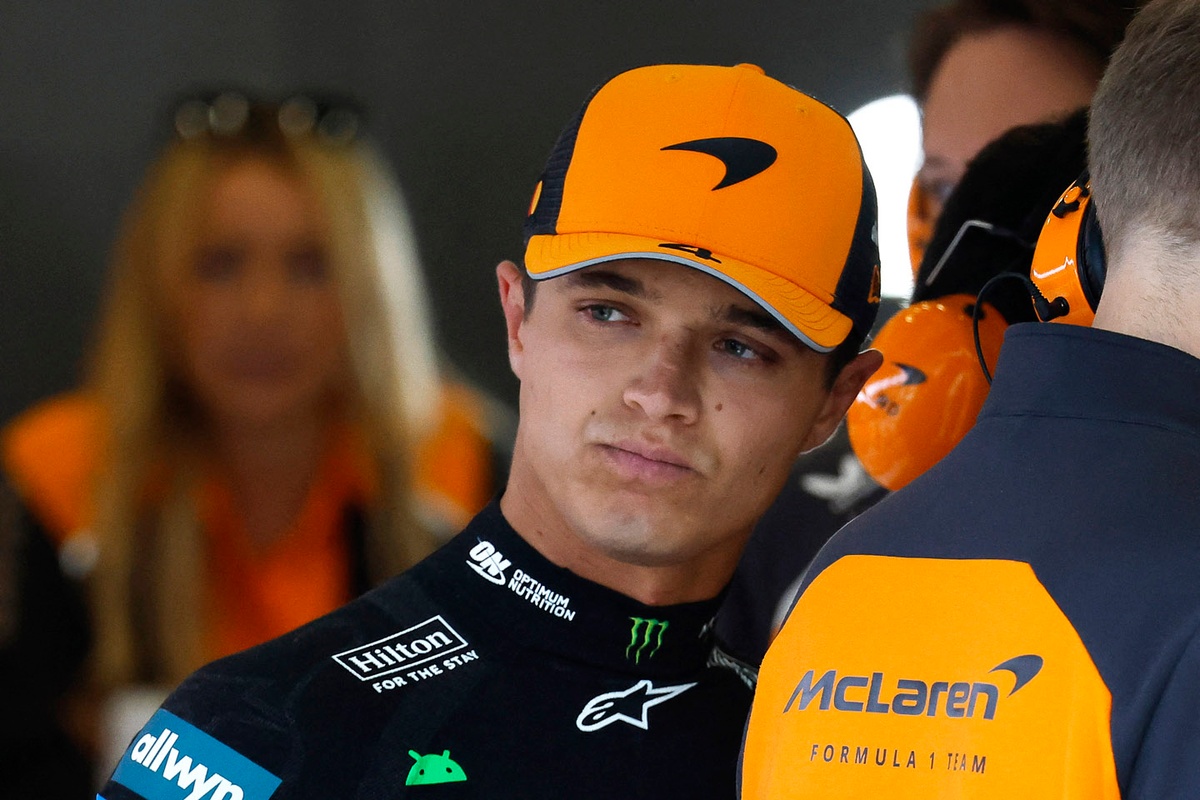
Oh, what’s the damned purpose?
The renowned yet mysterious final words that the actor and humorist Kenneth Williams wrote in his diary have recently been echoed by the world’s top golfer, Scottie Scheffler. These feelings have resonated with the leading contender for the Formula 1 drivers’ championship.Lando Norris.
This isn’t a satisfying life,” Scheffler said to reporters just before the start of July’s Open Championship in Portrush, where he ended up dominating. “It’s satisfying in terms of achievement, but it’s not fulfilling from the deepest part of your heart.
That’s an issue I deal with every day. It’s similar to attending the Masters each year; it’s like asking myself why I desire to win this golf tournament so much? Why do I feel such a strong urge to win the Open Championship?
I’m not sure because, if I win, it’ll be great for two minutes, and then we’ll move on to next week, and they’ll ask, ‘Hey, you’ve won two majors this year, how significant is it for you to win the FedEx Cup playoffs?’
It seems as though you dedicate your entire life to the moment of winning a competition, which only brings joy for a short period. That sense of happiness is fleeting.
This comes from someone who has held the world’s top position for more than two years. In the area of hitting a ball with a stick, he issans pareil, with PGA Tour career earnings (at the age of 29) amounting to approximately £65 million.
A common experience for many athletes is the troubling shift in brain chemistry once the excitement of victory fades, giving way to deep-seated anxiety. This ‘high’ is caused by the release of the neurotransmitter dopamine – a substance often linked with happiness, yet also plays a significant role in the brain’s so-called ‘executive functions,’ such as movement and mental capabilities.
Symptoms of withdrawal linked to a drop in dopamine levels can involve feelings of depression and anxiety. For top athletes, this often brings back negative thoughts: uncertainty about their abilities and the daunting challenge of facing another competition.
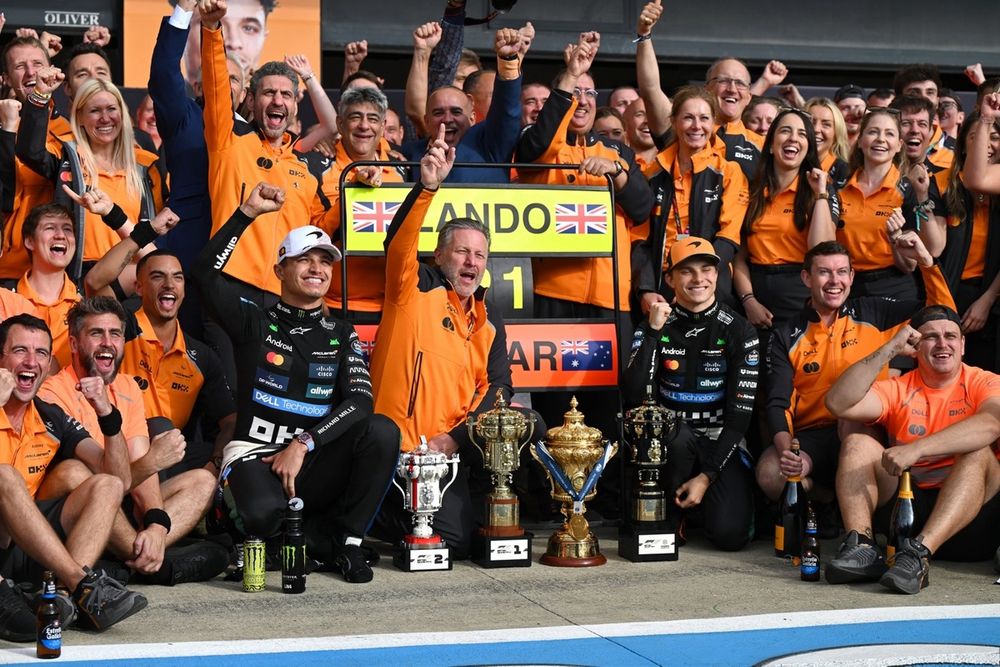
Norris is not only a passionate golfer but also stands out among contemporary F1 drivers by openly sharing his emotional experiences instead of saving them for his autobiography. It came as no surprise when, during his pre-Belgian Grand Prix media session, he was asked to respond to Scheffler’s remarks. Three weeks ago, Norris secured his first victory at his home grand prix – undoubtedly a significant milestone for any F1 driver – yet the happiness faded quickly.
“I felt quite down on Monday [following the British GP] for various reasons,” he mentioned.
I really enjoyed what Scottie mentioned. I have admiration for his openness regarding his personal emotions about everything.
He openly expresses his desires. Not every person needs to voice what others believe or what they think is right or wrong.
I’m pleased that someone in such a high position has accomplished what he has. He’s performing at the same level that Tiger [Woods] did in many situations. That’s truly impressive to witness, to hear him say something like that. So I have a lot of respect for it.
I mention that I connect with much of it in various ways. However, I believe the key message is to allow the individual to be whatever they choose to be and to do whatever they wish.
They don’t need to follow the exact life you believe they should. Or express what you think they should say or hold beliefs that you think they should. Or adopt a particular mindset. He leads his life in his own unique way.
And I believe it’s really impressive to witness someone like him accomplishing what he’s achieving. Facing Rory [McIlroy], Jon [Rahm], Jordan [Spieth]. All these other remarkable individuals. And Schef [Scottie Scheffler] is simply on a different level.
I find it truly impressive to witness that, despite his attitude, which isn’t negative – it’s simply his unique approach to reaching his accomplishments. I believe you have to admire such a thing… it was intriguing and impressive to watch someone performing at an exceptionally high level openly express what he did.
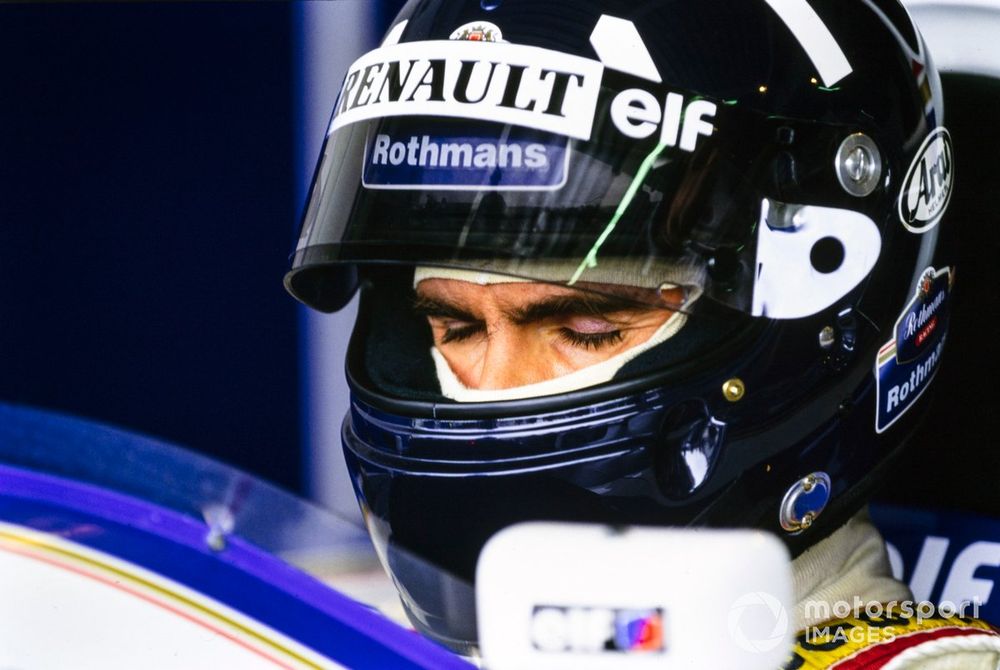
Damon Hill, the 1996 world champion, expressed comparable emotions in his memoirWorking The Wheel. For him, the challenges of imposter syndrome started even before he entered Formula 1 – his father, a two-time world champion, was a powerful and complicated person whose passing when Damon was young led to financial difficulties for the family. Winning races and later the world championship provided no relief for Hill Jr, as each achievement merely revealed the next challenge ahead.
Throughout my career, I was constantly puzzled about whether I was genuinely a race car driver,” he wrote, “or if I was merely someone assigned a task to finish before I could realize my true identity.
The former world heavyweight boxing champion Tyson Fury confessed to using cocaine as a way to cope with depression linked to his bipolar disorder. Recently, gymnast Simone Biles stepped away from the finals at the Tokyo Olympics during her peak popularity, mentioning mental health issues, and later returned to win a gold medal in Paris last year.
Athletes are not the only ones who struggle with the influence of brain chemistry. The aforementioned Williams frequently expressed hostility in his diaries towards Nicholas Parsons, the host of the radio panel showJust A Minuteon which Williams frequently appeared as a standout guest. When asked to comment on this in his later years, Parsons would softly mention that ‘Kenny’ gained immense energy and happiness from performing for his audience and would then return to his lonely apartment, where he would channel this turmoil into his writing.
It doesn’t last long,” remarked Norris. “I feel as though winning at Silverstone isn’t connected to what happens tomorrow.
I believe that if we go out tomorrow, it won’t matter who has won the last five or ten races. In a sense, no one is concerned about that. It’s simply about who can perform at their best tomorrow and deliver the best performance over the next three days.
It was wonderful. However, the emphasis lies on this weekend.


