

The Impact of Geopolitics on Academic Freedom and International Collaboration
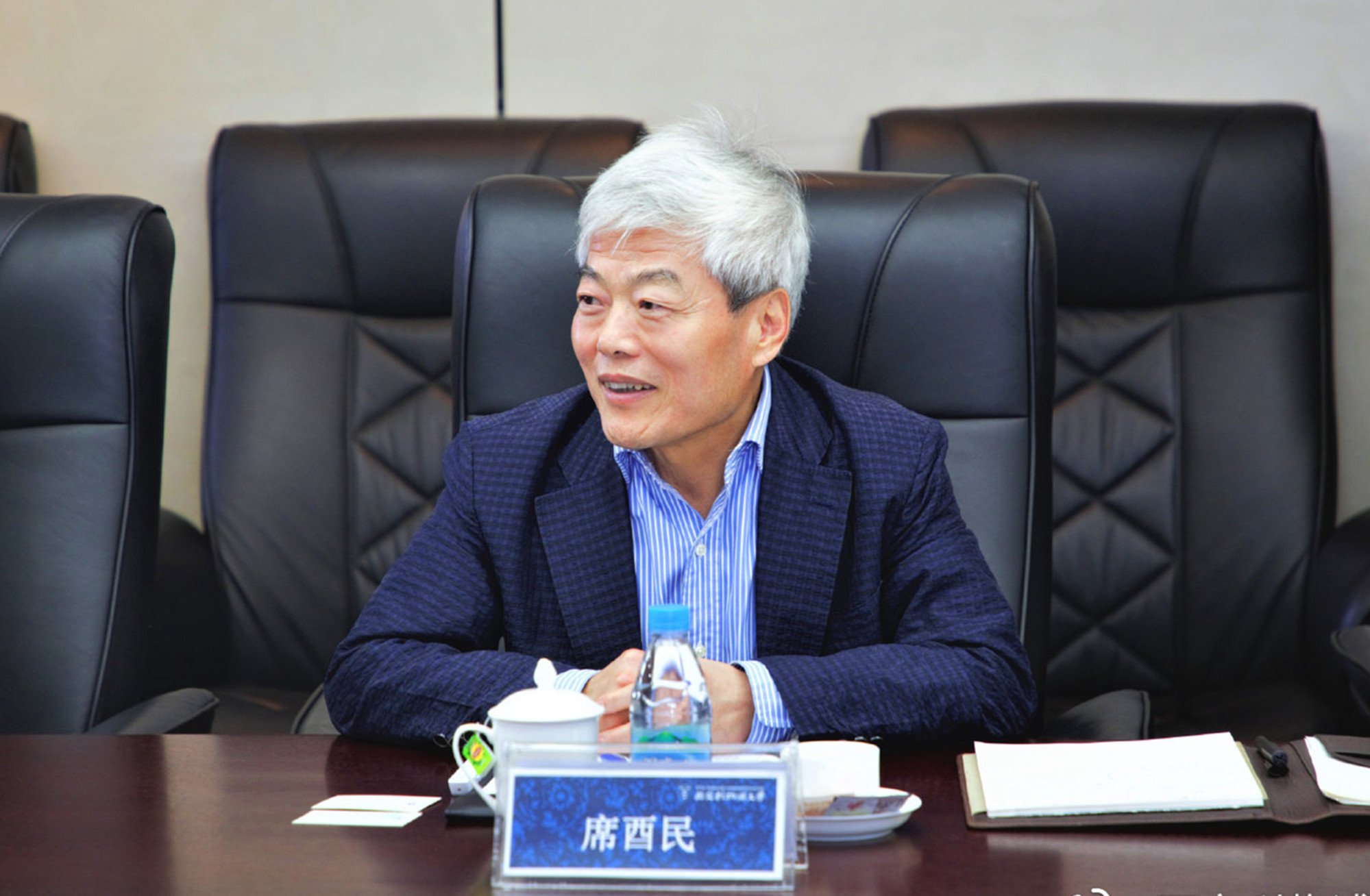
Geopolitical tensions are increasingly affecting academic freedom and scientific research, according to Xi Youmin, president of Xian Jiaotong-Liverpool University (XJTLU) in Suzhou, Jiangsu province. He believes that easing visa restrictions for foreign students and visitors could help improve understanding of China and foster greater global collaboration.
Xi highlighted that the world is currently experiencing a period of division marked by wars, geopolitical conflicts, and trade disputes. This uncertainty has left many people feeling confused and lost. He pointed out that the closure of some joint venture universities in China and investigations into scientists of Chinese descent in the United States have been shocking to the global scientific community. These events have raised concerns about the impact of geopolitics on the free exchange of knowledge and ideas.
“Science and knowledge should transcend national borders,” Xi said. However, he noted that the current geopolitical climate is reshaping the world order, with conflicts now extending into universities and scientific institutions. In the United States, the government’s crackdown on diversity, equity, and inclusion initiatives has led to universities making concessions under political pressure, which Xi described as an abnormal trend.
XJTLU, a Chinese-British joint venture established in 2006, has faced scrutiny over its collaborations with Chinese and Russian entities that have been sanctioned by Western countries. A report by the Australian Strategic Policy Institute (ASPI) highlighted several research partnerships involving XJTLU, including a joint lab with iFlytek and the Shanghai Institute of Microsystem and Information Technology. Both organizations are listed on the U.S. entity list, raising concerns about the potential risks associated with such collaborations.
The report also mentioned XJTLU’s Centre for China-Russia Humanitarian Cooperation and Development, noting that one of its co-directors is affiliated with a Russian state agency sanctioned by the European Union. Additionally, the university invited an adviser from the Moscow regional government, who had been sanctioned by Britain, to its opening ceremony.
Xi responded to these allegations by stating that as a Chinese university operating within China, XJTLU adheres to Chinese law and is not bound by the American entity list. However, he acknowledged that research projects involving collaborators on the UK sanctions list could face scrutiny from the British government.
He argued that such restrictions on academic and scientific collaborations are unreasonable for the scientific community. “Geopolitics has distorted people’s views on science and universities,” he said. Resolving these issues will take one to two decades as the global order continues to shift.
The impact of these geopolitical tensions is already being felt by international universities. Several American institutions have scaled back their partnerships in China, including Georgia Tech, the University of Michigan, and the University of California, Berkeley. In contrast, Xi expects British institutions to continue their collaborations, albeit with increased scrutiny.
International students play a significant role in the economies of both the United States and the United Kingdom. In the UK, overseas students contributed GBP37 billion (US$49.2 billion) in net economic benefits in 2021. Meanwhile, the U.S. hosted a record high of 1.1 million international students in the 2023 academic year, with a quarter of them coming from China.
Despite the challenges posed by geopolitical tensions, Xi emphasized the importance of welcoming more international students and researchers to China. He believes that cultural confidence means allowing the world to understand the essence of Chinese culture and the living standards of its people. To achieve this, the Chinese government should consider further relaxing visa restrictions to foster cultural exchanges.
China has become the third-largest host country for international students, with approximately 500,000 enrolled in 2023. A study by researchers from Tsinghua University found that economic motivation, including low living costs and better career prospects, was a key factor in attracting international students to China. The academic quality of China’s research universities also plays a significant role, especially for students from East and Southeast Asia.
Looking ahead, Xi said XJTLU aims to expand its education and research network globally, recruiting and collaborating with students and researchers from Southeast Asia, the Middle East, and Europe. He believes that in a chaotic world, the university can leverage its late-mover advantage, free from the burden of history.
“As an international university, we showcase Chinese culture while also representing educational directions for future global developments,” Xi said. This approach sets XJTLU apart from those opposed to global integration. Despite current complexities and uncertainties, the university strives to develop solutions for future education that will impact China and beyond.
In conclusion, Xi emphasized that for China to continue its rise in the coming decade, it must welcome people interested in learning about the country to experience it first-hand. True cultural confidence involves allowing the world to understand the essence of Chinese culture and the living standards of its people. The Chinese government should address internal social and economic issues with smart and rational solutions to steadily develop and reach new heights as the global order reshapes.


