The Plight of the Forgotten: Inmates Without Trial in Nigeria
In Nigeria, countless citizens are languishing in prison for years without trial, often forgotten by the justice system and society. Many of them are victims of wrongful arrests, police brutality, or mere suspicion, with no legal representation. Their stories reveal a broken system that leaves individuals trapped in a cycle of injustice.
A Life Lost to Time
Gospel Kinanee’s story is one of despair and resilience. As a teenager, he was taken from his home in 2007 and placed in the Port Harcourt Maximum Correctional Centre. For 18 years, he remained incarcerated without any charges being filed against him. His family believed he was dead, but when volunteers from the Haven360 Foundation visited the facility, they discovered that Kinanee had no case file or documentation, making him a “ghost prisoner.” After months of effort, his identity was confirmed, and he was finally released. The emotional reunion with his family marked a new beginning for him, though the scars of his past remain.
The Struggle of David Eddiong
David Eddiong, a commercial driver from Akwa Ibom State, was arrested in 2020 by SARS officers. He was left in detention without any charges being filed, spending four years in prison. Conditions were harsh, with no food or basic necessities unless paid for. His mother, struggling financially, could only send what little money she could manage. Eventually, an NGO helped secure his release, highlighting the desperate need for support systems for those unjustly imprisoned.
The Legal Framework and Its Failures
According to Section 35 of the Nigerian Constitution, any person arrested must be brought before a court within 24 hours. If not charged, they must be released. However, many inmates remain in custody for years without any legal proceedings. This has led to overcrowded prisons and a backlog of cases. Lawyers like Cyril Ugonna argue that indefinite detention without trial is a violation of human rights and a failure of the justice system.
The Case of Kazeem Adesina
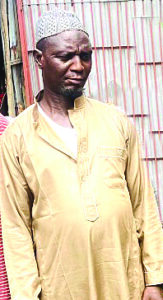
Kazeem Adesina was wrongfully arrested in 2008 and subjected to torture. He spent 16 years in Kirikiri Maximum Prison before finally being released in 2024. His story reflects the systemic issues within the Nigerian legal system, where individuals can be detained for years without proper legal representation or due process.
The Broader Picture
Data from the National Bureau of Statistics shows that over 70% of pretrial detainees lack proper legal representation. The Legal Aid Council of Nigeria faces significant challenges in providing adequate services, with about 80% of inmates unable to access legal assistance. NGOs play a crucial role in bridging this gap, offering vital support to those in need.
Systemic Challenges and Calls for Reform
The Nigerian correctional system is overcrowded, under-resourced, and lacks basic sanitation and healthcare. The National Human Rights Commission has called for comprehensive reforms, emphasizing the need for improved conditions, alternatives to pre-trial detention, and faster trials. These changes are essential to ensure that the rights of all citizens are upheld.
The Path Forward
Experts like Yusuf Nurudeen stress the importance of implementing existing laws to address the injustices faced by prisoners. Laws such as the Criminal Law of Lagos State and the Administration of Criminal Justice Act 2015 provide clear guidelines for handling detainees. However, the lack of training and awareness among law enforcement agencies hinders their effective implementation.
Efforts to decongest prisons and ensure fair treatment of detainees require a coordinated approach involving the government, judiciary, and civil society. By addressing these systemic issues, Nigeria can work towards a more just and equitable legal system for all its citizens.